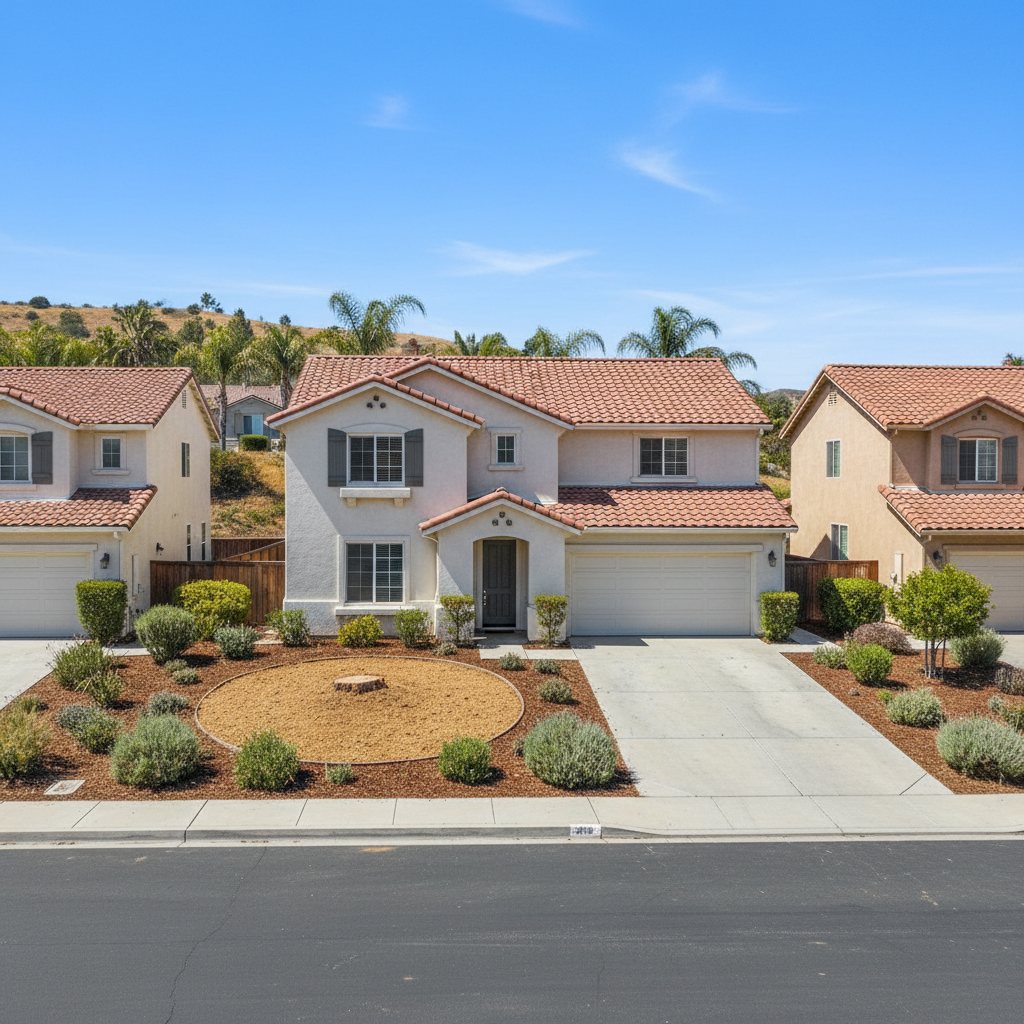
Got a tree in your yard that's seen better days? Maybe it's been there since your house was built, or even longer. We see a lot of these in Irvine, especially in older neighborhoods like Woodbridge or Turtle Rock. People get attached to their trees, and I get it. They provide shade, they look nice, they're part of the home's character. But sometimes, for the safety of your property and your family, that tree just needs to come down.
When a Tree Becomes a Hazard
It’s not always obvious when a tree is a goner. You might think it looks fine, but there could be serious issues lurking beneath the surface or high up in the canopy. Here’s what I’m usually looking for:
- Disease or Pest Infestation: If a tree is sick, it's not just going to get better on its own. We see a lot of issues with things like root rot, cankers, or borers around here. Once a disease takes hold, it can weaken the tree's structure, making it brittle and dangerous. It's like a slow-motion car crash waiting to happen.
- Structural Weakness: This is a big one. Maybe it has deep cracks in the trunk, major dead branches, or a lean that's gotten worse over time. Sometimes, you'll see a 'V' shaped crotch where two main branches meet – that's often a weak point, especially if one side is significantly heavier. These weaknesses can lead to branches, or even the whole tree, failing during a strong Santa Ana wind event, which we get plenty of in the fall.
- Root Damage: Tree roots are powerful. They can lift sidewalks, crack foundations, and even mess with underground utility lines. If you're seeing signs of root upheaval near your home or hardscaping, that tree's roots are probably causing more trouble than they're worth. And trying to just trim the roots often hurts the tree's stability.
- Proximity to Structures: Is that tree growing too close to your house, garage, or even your neighbor's property? Over time, branches can scrape against roofs, damage siding, or even fall on structures. It's not just about the immediate danger; constant rubbing can wear down materials and create entry points for pests or water damage.
- Dead or Dying: This one's pretty straightforward. A dead tree is a dangerous tree. It's brittle, unstable, and can come down at any time, often without warning. Don't wait until it's too late.
Why Local Expertise Matters for Tree Removal in Irvine
You might think tree removal is just cutting down a tree. But in a place like Irvine, with our dense neighborhoods, specific tree species, and sometimes challenging soil conditions – like the heavy clay we often find – it's a lot more complicated than that. You can't just call any guy with a chainsaw.
First off, permits. Depending on the size and type of tree, and whether it's on private or public property, you might need a permit from the City of Irvine. We know the drill, we know what the city's looking for, and we can help you navigate that process so you don't run into any headaches or fines.
Then there's the actual removal. We're talking about big, heavy objects in tight spaces. You've got houses, fences, power lines, and landscaping all around. It takes specialized equipment, training, and a whole lot of experience to bring down a large tree safely without damaging anything else. We've seen plenty of DIY attempts go sideways, and trust me, the cost of repairing a damaged roof or fence is way more than hiring a professional from Midway Tree.
We also understand the local tree species. Some trees common here, like certain eucalyptus or ficus, have aggressive root systems or brittle wood that requires specific handling. Knowing these characteristics helps us plan the safest and most efficient removal strategy.
Finally, clean-up. When we're done, your yard should look like we were never there, except for the missing tree. We don't leave a mess for you to deal with. That's part of the service, and it's something you should expect from any reputable local company.
So, if you're looking at a tree in your yard and feeling a little uneasy about it, don't just ignore it. Give us a call. We'll come out, take a look, and give you an honest assessment. It's better to be safe than sorry, especially when it comes to something as big and potentially dangerous as a tree.