So, you've had a tree taken down, or maybe you bought a place with an old stump already there. Now you're looking at that thing and wondering, "What's next?" Getting rid of a tree stump isn't always as simple as it sounds, and I get a lot of the same questions from folks right here in Irvine. Let's tackle the most common ones you're probably thinking about.
What's the difference between stump grinding and stump removal?
This is probably the most common question I hear, and it's a good one because the terms get thrown around interchangeably sometimes, but they're actually different services. When we talk about stump grinding, we're using a specialized machine with a powerful rotating cutting head. This grinder chews the stump down into small wood chips, usually about 6 to 12 inches below ground level. The goal is to get it low enough so you can cover it with soil, plant grass, or even put a new shrub over it without hitting the old stump.
Stump removal, on the other hand, is a much more involved process. This means we're not just grinding it down; we're actually digging out the entire stump and the major root ball. This usually requires heavier equipment, more labor, and it leaves a much bigger hole in your yard. It's also more expensive. Most of the time, for residential properties, stump grinding is sufficient and what people are really looking for.
Why can't I just leave the stump there?
You can, of course, just leave it. But there are a few good reasons why you might not want to. First off, it's an eyesore. A big, decaying stump can really detract from your home's curb appeal, especially in well-maintained neighborhoods like Woodbridge or Turtle Rock. Beyond aesthetics, stumps can be tripping hazards, especially if they're in a high-traffic area or near where kids play. They also attract pests like termites, ants, and other wood-boring insects. You definitely don't want those critters setting up shop in your yard and then deciding your house looks like a tasty next meal. Plus, a decaying stump can host fungi and diseases that could potentially spread to other healthy trees or plants in your landscape.
How deep do you grind the stump?
Typically, we grind stumps down anywhere from 6 to 12 inches below the surrounding grade. For most homeowners, 6-8 inches is plenty deep enough to allow for new grass, sod, or even a small planting. If you're planning on putting in a new tree in the exact same spot, or if you're pouring concrete, then we'd go deeper, maybe 10-12 inches or even more if necessary. We'll always discuss your plans for the area so we can make sure we grind it to the appropriate depth for your specific needs.
What happens to all the wood chips? Do I have to clean them up?
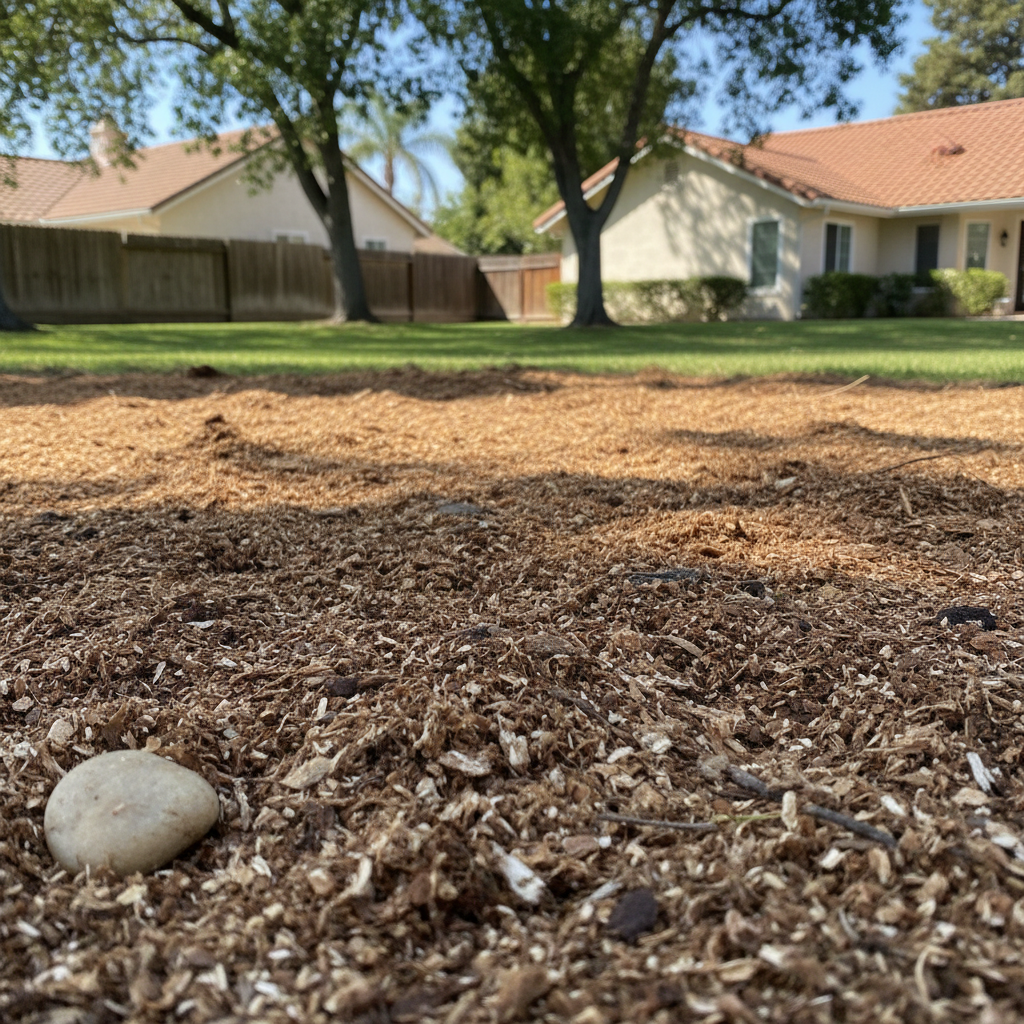
Once we're done grinding, you'll have a pile of wood chips mixed with some soil where the stump used to be. These chips are essentially mulch. What you do with them is up to you! We can certainly haul them away for an additional fee, but many of my clients choose to keep them. They're great for mulching around other trees and plants in your garden, helping to retain moisture and suppress weeds. You can also spread them out in your flower beds or compost them. If you just want to plant grass, we'll usually rake them into a mound, and you can then remove the excess and fill the hole with fresh soil before seeding or sodding.
Will the roots grow back after grinding?
This is a common concern. For most deciduous trees and conifers, once the main stump is ground down below the root collar, the remaining roots will eventually die and decompose. They won't sprout new trees. However, there are some exceptions, particularly with certain species that are known for aggressive suckering, like Liquidambar (Sweetgum) or some types of Ficus. Even with these, grinding significantly reduces the chance of regrowth. If suckering is a major concern for a specific tree species, we might recommend applying a targeted herbicide to the fresh grind, but we'll always discuss that with you first. Generally, for the majority of trees we deal with here in Irvine, once the stump is ground, you're good to go.
How much does stump grinding cost in Irvine?
Ah, the million-dollar question! The cost can vary quite a bit, so it's tough to give a one-size-fits-all answer without seeing the stump. Factors that influence the price include:
- Stump Size: The diameter of the stump is the biggest factor. A small 10-inch stump is a lot quicker and easier to grind than a 40-inch monster.
- Tree Type: Some wood is harder than others. A palm stump, for instance, can be surprisingly tough to grind compared to a softer pine.
- Location: Is the stump easily accessible with our equipment, or is it in a tight spot in your backyard, requiring us to use smaller, more labor-intensive machines?
- Depth: How deep do you need it ground? Deeper means more work.
- Root System: While we typically focus on the main stump, if there are large surface roots that also need grinding, that adds to the job.
- Cleanup: Do you want us to haul away the chips, or will you handle them?
Because of these variables, the best thing to do is give Midway Tree a call. We can usually give you a pretty accurate estimate right over the phone if you can provide the diameter and a picture, or we can come out for a quick, free on-site quote. We want to make sure you get exactly what you need without any surprises.
Hopefully, this clears up some of your questions about getting rid of that pesky stump. It's a pretty straightforward process when you've got the right equipment and experience. Don't let an old stump hold your yard back!