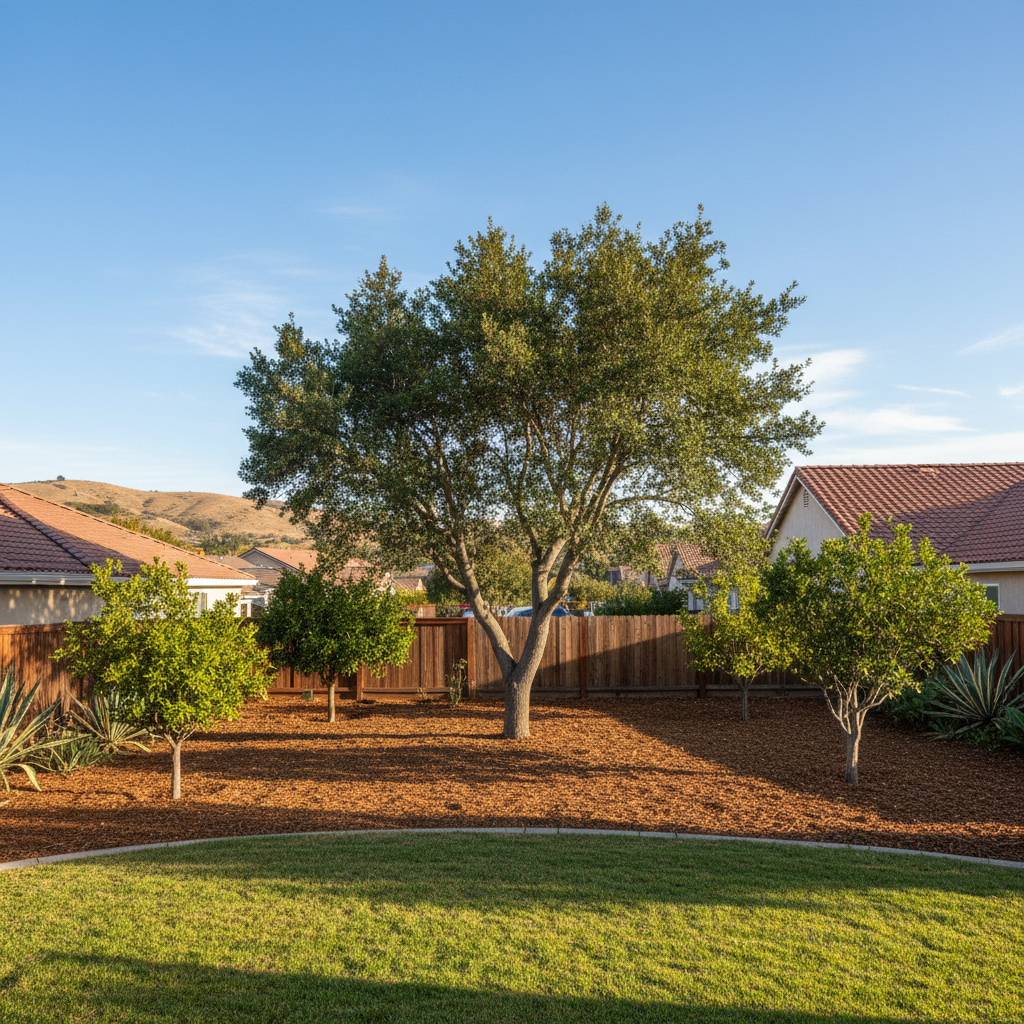
You want your trees to be healthy, right? Of course you do. Nobody wants to look out at their yard and see a struggling, sad-looking tree. Here in Irvine, we've got some unique challenges and opportunities when it comes to tree care, and I'm here to walk you through what I’ve learned over the years.
Making Your Trees Last: It's All About the Foundation
When we talk about extending the life of your trees, we're not just talking about keeping them alive. We're talking about helping them thrive, grow strong, and be a beautiful part of your property for decades. It starts with proper planting, but once they're in the ground, it's consistent, smart care that makes all the difference.
Think about it like this: a healthy tree is a resilient tree. It can better withstand our occasional Santa Ana winds, periods of drought, and even pest infestations. The work we do, whether it's a careful pruning or a strategic fertilization, isn't just a one-time fix; it's an investment in the tree's long-term health. We make sure cuts are clean and precise, promoting proper healing and reducing the risk of disease. And when we remove dead or decaying branches, we're not just making it look better; we're preventing potential entry points for pests and pathogens that could take down the whole tree.
What Does Regular Tree Maintenance Look Like in Irvine?
Regular maintenance isn't a mystery; it's just common sense applied consistently. For us here in Southern California, especially in areas like Northwood or Woodbridge with mature trees, it often boils down to a few key things:
- Smart Watering: This is huge, especially with our drought cycles. Deep, infrequent watering is almost always better than shallow, frequent watering. You want to encourage roots to grow deep, not stay near the surface. Check the soil moisture before you water – stick your finger in a few inches. If it's still damp, wait. Overwatering can be just as bad as underwatering.
- Strategic Pruning: You don't just prune for aesthetics. We prune for health and safety. Removing dead, diseased, or crossing branches improves air circulation, reduces the risk of branch failure, and directs the tree's energy to healthy growth. When Midway Tree prunes, we're thinking about the tree's natural form and its long-term structural integrity.
- Mulching: A good layer of organic mulch (like wood chips) around the base of your tree, kept a few inches away from the trunk, does wonders. It helps retain soil moisture, regulates soil temperature, and suppresses weeds. Plus, as it breaks down, it slowly adds nutrients back to the soil.
- Pest and Disease Monitoring: Keep an eye out for anything unusual. We'll get into warning signs next, but regular visual checks are your first line of defense.
Warning Signs: When Your Tree is Crying for Help
Your trees can't talk, but they sure do show you when something's wrong. You just need to know what to look for. Don't ignore these signals:
- Discolored or Wilting Leaves: If leaves are turning yellow, brown, or dropping prematurely, especially outside of fall, that's a red flag. It could be a watering issue, nutrient deficiency, or disease.
- Unusual Growths or Fungi: Mushrooms or conks growing on the trunk or branches often indicate internal decay. Cankers (sunken, discolored areas on bark) can also point to disease.
- Branch Dieback: Dead branches, especially if they're appearing suddenly or in large sections, are a serious concern.
- Cracks in the Trunk or Major Limbs: These can compromise the structural integrity of the tree and make it a hazard.
- Pest Infestations: Look for holes in leaves, sawdust near the base, webbing, or visible insects. Our local borers, for example, can do a lot of damage if not caught early.
- Leaning or Heaving: If your tree starts to lean suddenly, or you see the soil around the base heaving up, that's an immediate emergency. The root system might be failing.
When to Call a Professional Arborist
Look, I'm a big believer in DIY when it's safe and smart. But some jobs are just too big, too dangerous, or too complex for the average homeowner. Here's when you absolutely should pick up the phone and call a certified arborist like us:
- Large Tree Pruning: If you need to prune branches that are high up, require a ladder, or are near power lines, don't risk it. It's dangerous, and you could seriously injure yourself or damage your property.
- Tree Removal: This is almost always a job for professionals. Trees can fall in unpredictable ways, and it requires specialized equipment and training.
- Diagnosing Serious Problems: If you see those warning signs I mentioned and you're not sure what's going on, an arborist can accurately diagnose the issue and recommend the right treatment plan. We know what common diseases and pests affect trees specifically in our Irvine climate.
- Storm Damage: After a big storm, if you have broken or hanging branches, or a tree that looks unstable, call us. It's not safe to try and clear it yourself.
- Planting Large Trees: Getting a big tree planted correctly from the start is critical for its long-term health. We know about soil conditions here in Irvine and how to give a new tree the best chance.
Taking good care of your trees isn't just about curb appeal; it's about investing in the health and safety of your property. If you've got questions or need a hand with your trees, don't hesitate to reach out. We're here to help.